Best Weather Radio for Office and Home: NOAA All Hazards Picks
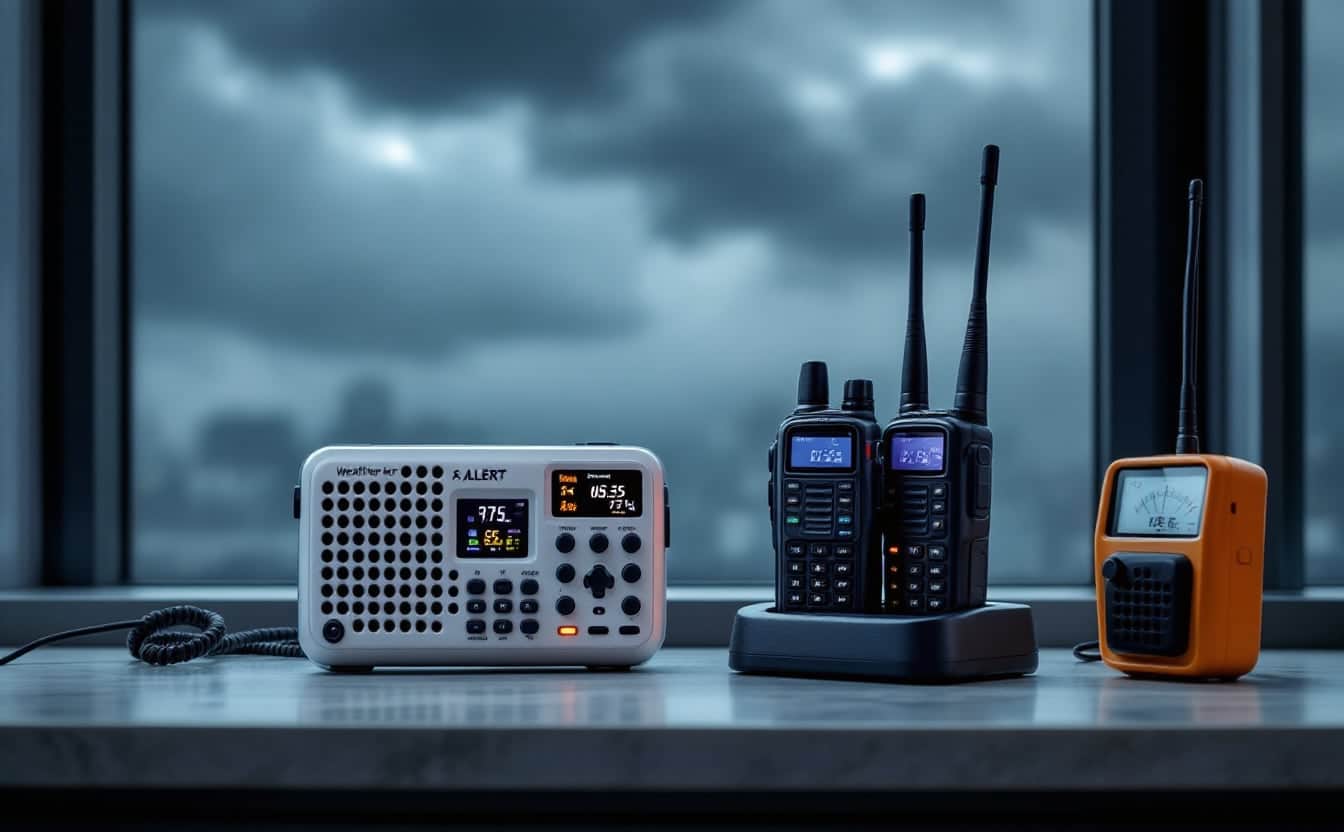
How to pick the best weather radio: NOAA All Hazards reception, SAME county coding, tone alert, battery backup, office placement, plus crank and FRS radios.


Field-tested thinking on keeping an organization running when the building, the network or the whole city goes dark.
Start reading
Every program starts with a plan somebody can actually use at 3 a.m. Our annotated outline walks through the five parts a business continuity plan needs (introduction and scope, emergency response, continuity, restoration and maintenance), what belongs in each, and how the old skeleton maps to ISO 22301 and NFPA 1600 today.
Pair it with the business impact analysis guide and the primer on recovery targets and you have the core of a program that will stand up to an audit.
Open the annotated plan outlineNew analysis from our analysts on continuity, recovery, crisis leadership and preparedness.
How to pick the best weather radio: NOAA All Hazards reception, SAME county coding, tone alert, battery backup, office placement, plus crank and FRS radios.
A fill-in IT disaster recovery plan template: system tiers, RTO and RPO per system, backup method, runbook skeleton and tests, plus a worked small-office example.
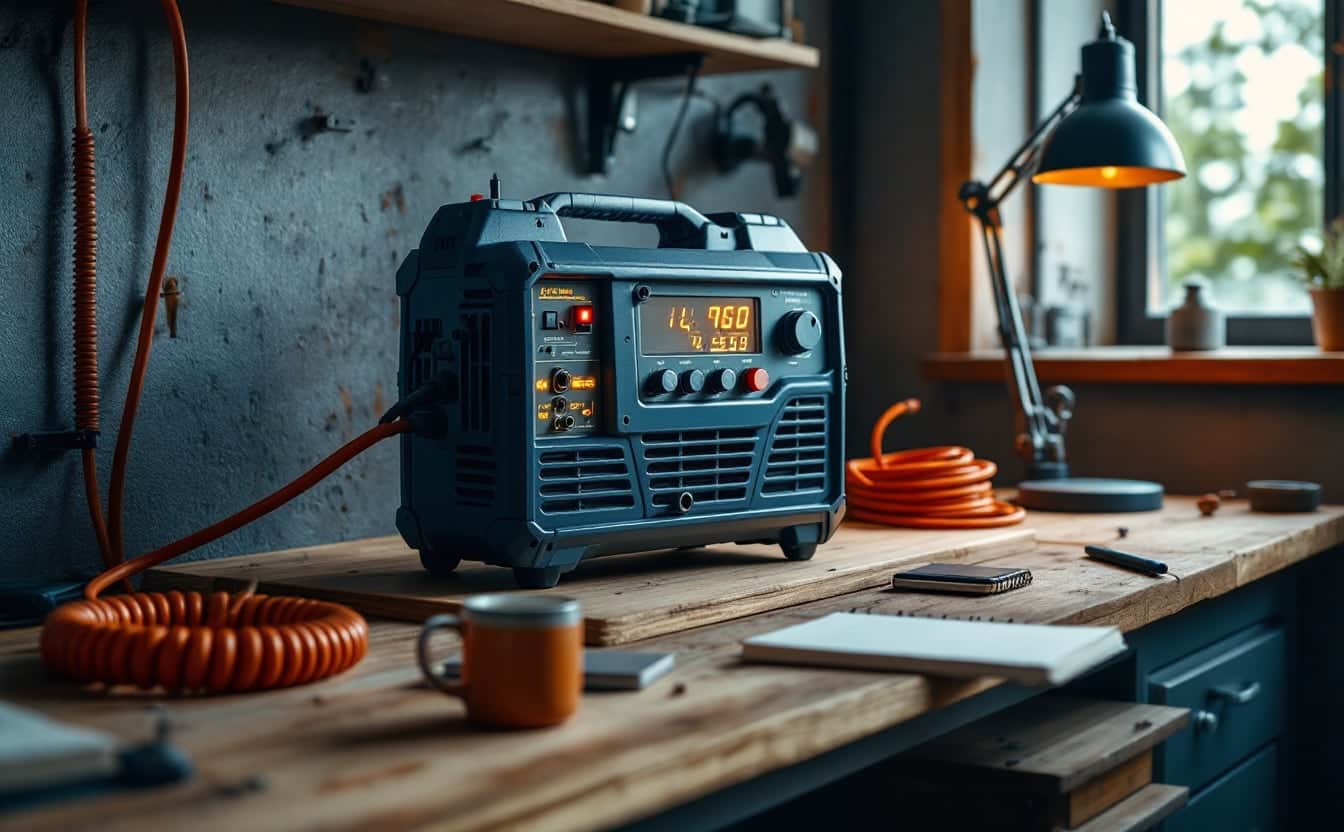
What a 1000W portable power station runs and for how long: watts against watt-hours, surge and continuous output, LiFePO4 against NMC, and three 1 kWh picks.
How a business continuity plan and a disaster recovery plan differ in scope, owners, triggers and targets, how both fit with incident response, and what NIST says.
OSHA asks for adequate first aid supplies, not a branded kit. What 1910.151 says, ANSI Z308.1-2021 Class A vs B, sizing by headcount and hazard, restocking.
A fill-in business continuity plan template for small and midsize firms, the question each section must answer, and a worked example for a 35-person distributor.
Disclosure: we may earn a commission from partner links. As an Amazon Associate I earn from qualifying purchases.
Readiness kit: two places to start
| Category | Pick | Why it is on the list | Link |
|---|---|---|---|
| Power station with UPS mode | Anker SOLIX C1000 | 1 kWh LiFePO4 with a pass-through UPS mode that keeps a laptop, router and monitor going when the mains drops. | Shop on Amazon |
| UPS, desk and network | APC Back-UPS 850VA (BE850G2) | A little more headroom for a workstation plus network gear, with USB charging ports. | Shop on Amazon |
Reference briefings on the questions practitioners keep asking: audits, duty of care, ransomware downtime, EOCs, insurance and more.

CPE World is written by people who have run continuity programs, rebuilt data centers, staffed emergency operations centers and argued over holding statements at dawn. We write for the practitioner who has to make the plan work, and for the finance, HR and operations colleagues who get handed a piece of it.
No vendor sponsorships, no gated downloads. Just the methods, checklists and judgment calls we wish someone had written down for us.
About Us