
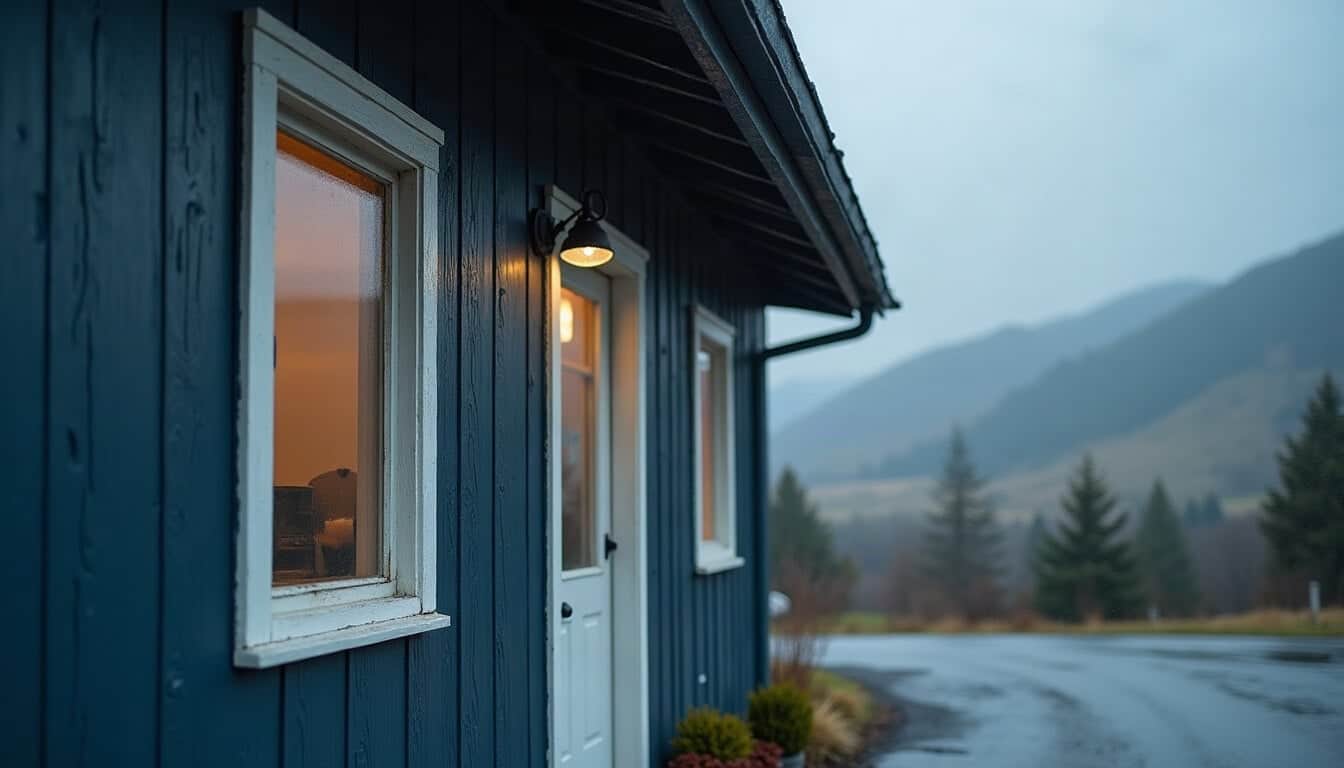
The ticket says "water stain, ceiling tile, front office, near window." Facilities replaces the tile. Three weeks later it is back. Eventually someone goes outside and looks up: the paint on the window trim has cracked and lifted, the wood under it has gone grey and soft, and every storm has been feeding water straight into the wall.
Contractor pages for exterior painting Colorado Springs CO property owners tend to talk about color and curb appeal. This insight takes the other view. Exterior paint is part of the building envelope, the layer that keeps weather out, and when it fails the chain runs from a flake of paint to a closed office. In a high, sunny, hail-prone climate, that chain moves faster than most plans assume.
Sun that wears the coating down
Exposure. At altitude, sunlight is intense and the air is dry. South- and west-facing walls take the most of it. Over a few seasons, paint fades, chalks to the touch, then loses its flexibility and starts to crack. The coating still looks like paint from the parking lot. It has stopped working as a seal.
Impact. Nothing stops on the day the coating fails. That is the problem. The failure is silent until water reaches the substrate, and by then the fix is no longer a repaint but a repair. For a small commercial building or a home office, that means scaffolding, carpentry and a room out of use instead of a routine job scheduled for a quiet week.
Control. Plan repainting on a cycle that reflects how hard the sun works on each face of the building, rather than repainting everything only when it looks bad. An experienced exterior painting contractor will assess which elevations need attention first, how the surface should be prepared, and which coatings suit the exposure. Preparation is most of the job; ask how they will do it.
Test. Once a year, on a dry day, rub a hand across the paint on the sunniest wall. Chalk on the palm, fine cracks or dull, faded patches mean the coating is near the end of its useful life. Photograph each elevation from the same spot so you can compare year to year.
Hail and wind that break the surface
Exposure. Hail does not need to break a window to do damage. It chips paint on trim, fascia and siding, bruises softer materials and opens small entry points across the whole exposed side of a building. Strong wind adds grit and flying debris. After a storm, the damage is easy to miss from the ground unless you are looking for it.
Impact. Each chip is a small opening. Taken together, one storm can turn a sound exterior into one that leaks in dozens of small places, all of which start working on the wood and siding beneath at the same time.
Control. After any hail event, have the exterior looked at, not just the roof. Note damage to paint and trim alongside anything you report about the roof or windows. Your insurance broker can tell you what documentation they want after a storm; keep that conversation with them.
Test. Within a few days of a hailstorm, walk the building with a camera and photograph the trim, sills and siding on the side that faced the storm. Compare with your annual photos. New chips and bare spots are the evidence you need.
Single point of failure: on many buildings it is the painted wood trim around windows and doors. It is where the envelope has the most joints and the thinnest protection, and when its coating fails, water goes straight into the wall beside the people working there.
Peeling paint and the wood behind it
Exposure. Once paint lifts, water gets behind it. In a climate with frequent freeze and thaw cycles in winter, that water freezes in the wood, expands and pushes the paint off further. Rot starts at joints, sills and the bottom edges of boards, where water collects and dries slowly.
Impact. Here is the dependency chain. Peeling trim lets water into the frame. The frame lets it into the wall. The wall lets it reach the ceiling, the electrical boxes near the window, the network cabling run along the top of the wall. A stain becomes a leak; a leak becomes a closed room while it dries out and is repaired. The room is back when the drywall is replaced. It is usable again only when the source is fixed.
Control. Catch peeling paint while the wood is still sound. Scrape, repair and recoat is cheap compared with replacing rotted trim and the wall finishes behind it. A painting contractor will tell you where carpentry is needed before paint can do its job.
Test. Press gently with a screwdriver tip at the bottom corners of window sills and door trim. Sound wood resists. Soft wood gives. Any soft spot goes on the repair list.
Old paint is a separate risk
Exposure. Older buildings may have layers of paint that contain lead under the newer coats. Scraping and sanding them releases dust that is harmful, especially to children and anyone pregnant.
Impact. Disturbing old paint carelessly can turn a maintenance job into a health and cleanup problem that closes part of a building far longer than the painting would have.
Control. Do not scrape or sand old paint yourself. Ask any contractor how they test for and handle older coatings, and follow their guidance on keeping people away from the work area. This is professional work. In a home office or a small shop, plan for the affected rooms to be out of use while the work is done, and move records, stock and equipment out of the way beforehand rather than on the morning the crew arrives.
Test. Before a project starts, ask the contractor in writing how they will handle old paint if they find it. If the answer is vague, keep asking.
Scheduling the work like a planned outage
Exposure. Exterior painting needs suitable weather, and the good weeks fill quickly. Work also brings ladders, lifts, drop cloths and coatings close to doors, windows and walkways.
Impact. Poorly planned work blocks entrances, closes windows that staff rely on for air, and leaves customers walking under ladders. Coating smells drift through open windows and air intakes, and a week of afternoon storms can stretch a job that was meant to finish before a busy period. None of this is a disaster. All of it is avoidable friction, and it lands on the people trying to keep the business running.
Control. Agree the sequence with the contractor: which elevation first, which entrances stay open, and how long each side will be under work. Tell staff and visitors in advance. Ask how the crew handles a weather day, so a lost afternoon does not leave a side of the building half prepared and exposed. If the building houses a server closet or a room with sensitive equipment near an exterior wall, say so at the start, so dust and overspray are kept away from it.
| Timing | Action |
|---|---|
| Every year | Hand test and photograph each elevation |
| After any hailstorm | Walk and photograph the storm side |
| Before painting season | Book assessment and agree the work sequence |
| During work | Keep one entrance and the fire exits clear at all times |
Test. On day one of the project, walk from the parking area to every exit. If any route is blocked, fix it before work continues.
What to do this quarter
- Hand test and photograph the sunniest walls and all window trim.
- Probe sills and door trim for soft wood and list every soft spot.
- Book an exterior assessment before the busy season so the work fits your calendar, not the weather's.
Paint is the cheapest part of the envelope to maintain and the most expensive to ignore.