An emergency kit for home is a store of supplies that lets a household get through several days without power, running water or a trip to the shops. The reference most employers and agencies start from is Ready.gov's basic disaster supplies list: water, food, a radio, a flashlight, a first aid kit, spare batteries, a whistle, a dust mask, plastic sheeting and duct tape, sanitation supplies, a wrench, a can opener, local maps, and a phone with chargers and a backup battery. Ten of those items make the core kit below. The 20-item version adds the rest of Ready.gov's list and the things households forget.
A continuity site cares about this because the home is now part of the office. When a storm or an outage hits a region, the people you need to reach are sitting in their kitchens, not at their desks. Staff who have water, light and a charged phone can check in, look after their families and, when it is reasonable, get back online. Staff who do not will spend the first day queuing for bottled water.
Why employers ask staff to keep a home kit
Ready.gov tells households to prepare supplies for three places: home, work and the car. At work it suggests being ready to shelter for at least 24 hours, with food, water, medicines and comfortable walking shoes in a grab-and-go case. Hybrid work blurs the first two, which is why a home kit checklist fits naturally into an employer's duty of care program.
If you run that program, keep it simple and respectful. Send the list before hurricane or winter storm season, offer to pay for the core items, and ask only whether people have a kit, not what is in it. The point is a workforce that can look after itself for a few days, not a new data collection exercise.
The 10-item core kit
If someone asks what the 10 items in an emergency kit are, this is the answer we give, taken straight from Ready.gov's basic list and grouped so nothing essential falls off:
- Water: one gallon per person per day for several days, for drinking and sanitation. Our emergency water and food calculator puts two adults and one child at 9 gallons for three days, or two 5-gallon jugs.
- Non-perishable food for several days, plus a manual can opener. The same household needs about 16,200 calories over three days at the calculator's defaults.
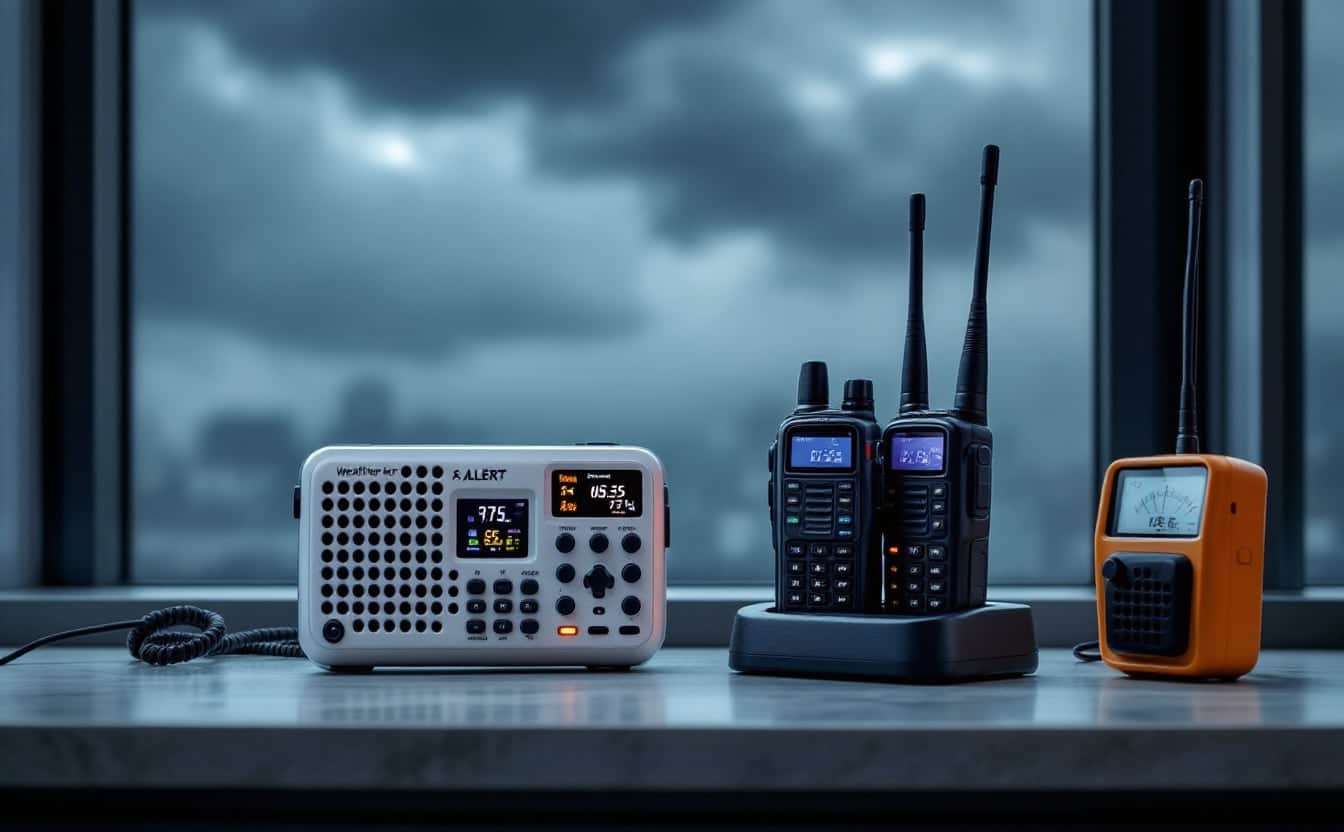
- A battery-powered or hand-crank radio, and a NOAA Weather Radio with tone alert. Our guide to the best weather radio explains why those are two different jobs.
- A flashlight or lantern, with extra batteries.
- A first aid kit. The ANSI Class A contents in our OSHA first aid kit guide make a sensible minimum for a household too.
- A whistle to signal for help.
- A dust mask to help filter contaminated air.
- Plastic sheeting, scissors and duct tape, to shelter in place.
- Moist towelettes, garbage bags and plastic ties, for personal sanitation.
- A cell phone with chargers and a backup battery.
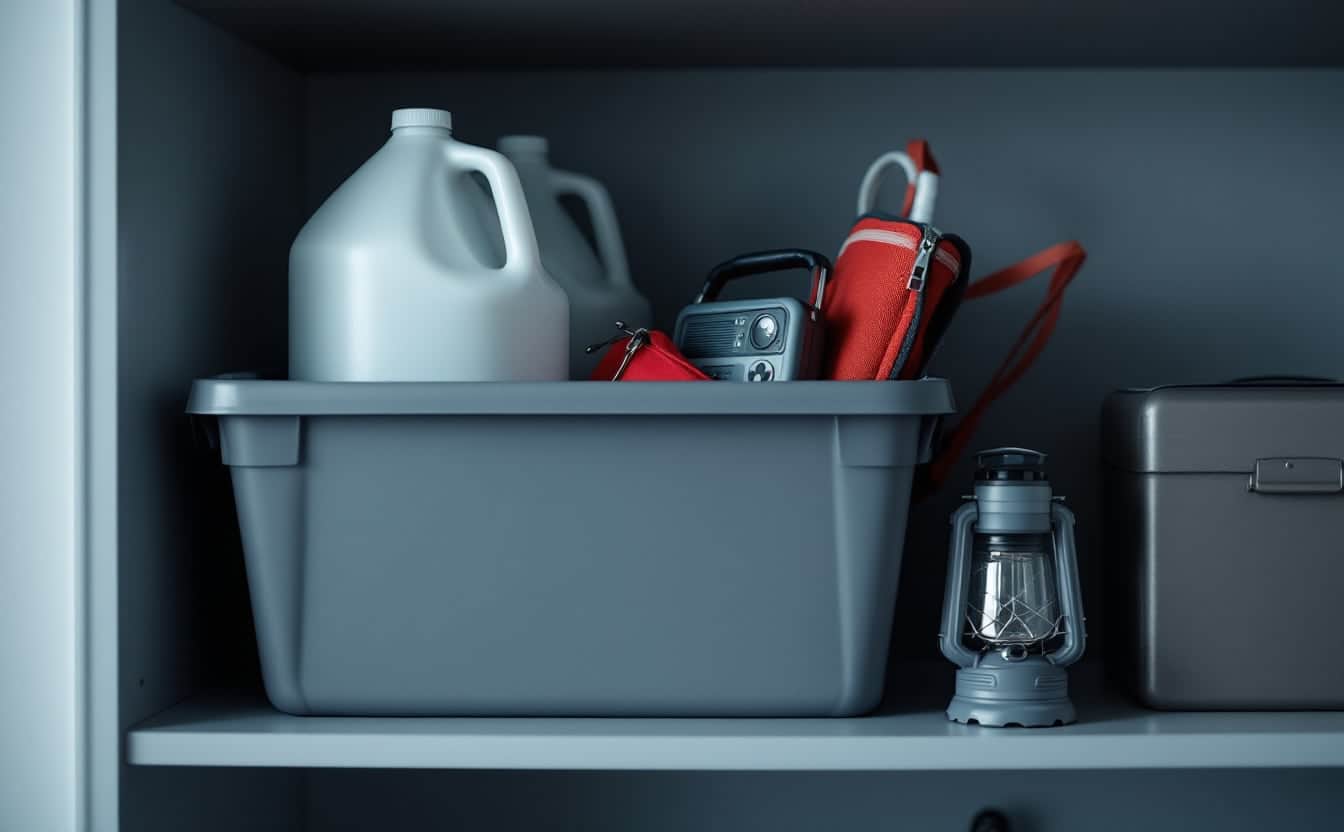
Pack it the way Ready.gov suggests: items in airtight plastic bags, the whole kit in one or two containers you can carry, such as a plastic bin or a duffel bag.
The next 10: a 20-item emergency kit
The extended kit takes the rest of Ready.gov's basic list and the most useful items from its additional supplies list:
- A wrench or pliers to turn off utilities.
- Local paper maps, for when the phone is dead or the network is down.
- Prescription medications and glasses. Ready.gov notes that about half of Americans take a prescription medicine every day; ask your pharmacist how to keep a short reserve.
- Non-prescription medications such as pain relievers, antacids and anti-diarrhea medication.
- Copies of important documents (insurance policies, identification, bank records), saved electronically or in a waterproof, portable container.
- Cash, since card terminals and ATMs need power and a network.
- A sleeping bag or warm blanket for each person.
- A complete change of clothing for the climate, and sturdy shoes.
- A fire extinguisher.
- Soap, hand sanitizer, disinfecting wipes, and feminine and personal hygiene supplies.
Then add what your household needs: infant formula and diapers, pet food and extra water for pets, matches in a waterproof container, paper and pencil, and something to keep children occupied. All of those are on Ready.gov's list too.
One item is missing from both lists that we would add: a battery-powered carbon monoxide alarm. Outages are when people run generators and heaters, and CO is the hazard that comes with them. The CDC's rule is plain: never run a generator inside a home or garage, even with doors and windows open; keep it outdoors and more than 20 feet from windows, doors and vents; and use a battery-powered or battery-backup CO alarm. Separately, connecting a generator to household wiring needs a transfer switch installed by a licensed electrician.
Home office additions
For anyone who works from home, three additions turn a survival kit into a continuity kit.
A power bank. A phone with a dead battery cannot check in, receive an alert or run a hotspot. A 20,000 mAh bank with 45 W output can top up a laptop as well as phones, which buys a few hours of work after the mains drop.
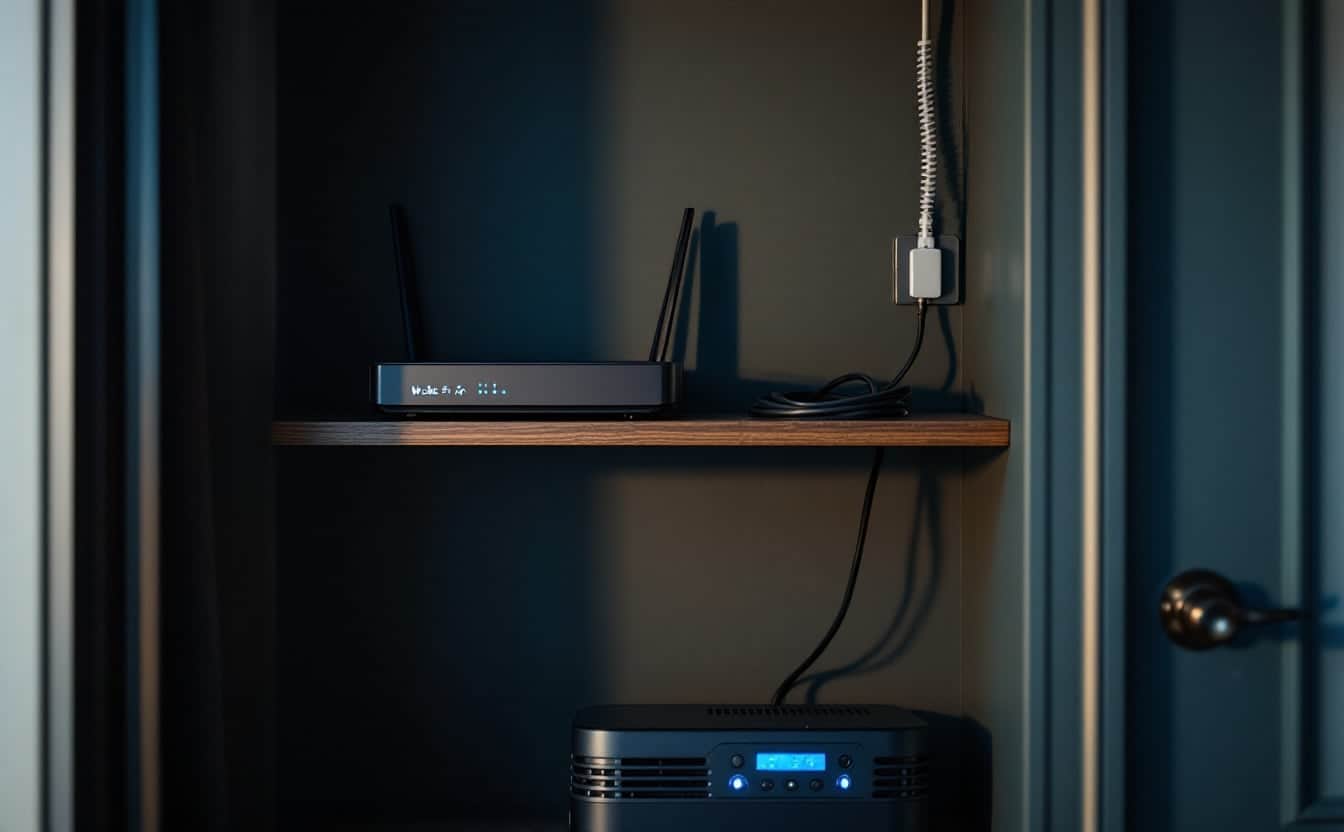
A way to keep the router up. The modem and Wi-Fi router draw little power, about 22 watts together at the defaults in our power station runtime calculator. A small station of about 290 Wh runs that pair for roughly 11 hours; one of about 1 kWh runs it for well over a day. An eight-hour workday with the router, modem and laptop running, three hours of phone charging and six hours of a lamp comes to 746 Wh, which calls for a station of about 878 Wh at 85 percent efficiency. Our portable power station guide covers sizing and picks. Remember that the internet provider's own network may be down too, in which case a charged phone hotspot is the fallback.
Copies of what you need to reach work. Print the numbers you would need with no laptop: your manager, the HR or incident hotline, the check-in procedure. Keep them with copies of insurance papers and any recovery codes your employer allows you to store on paper, in a box that resists fire and water.
Setting up the kit
Most of the list is food, water and household items you already own.
Check dates and charge levels when you set up the kit, since a lantern or power bank that sat in a box for a year may arrive part charged.
Keeping the kit ready
A kit decays quietly. Ready.gov's maintenance advice is short: keep canned food in a cool, dry place, keep boxed food in tightly closed plastic or metal containers, replace expired items, and rethink your needs every year. Water you bottled yourself should be replaced every six months. Recharge the lantern, power bank and crank radio on the same day you change the clocks, and test the CO alarm then too.
Employers can make that rhythm stick by tying it to their own calendar. Send the checklist with the annual plan review, remind people before the season that matters locally, and ask in the check-in after any regional event whether the kit worked.
Frequently asked questions
What are 10 items in an emergency kit?
Water, non-perishable food with a manual can opener, a battery-powered or hand-crank radio and a NOAA Weather Radio, a flashlight with extra batteries, a first aid kit, a whistle, a dust mask, plastic sheeting with scissors and duct tape, sanitation supplies, and a phone with chargers and a backup battery. All ten come from Ready.gov's basic disaster supplies list.
What are 20 items in an emergency kit?
The 10 core items plus a wrench or pliers, local maps, prescription medications and glasses, non-prescription medications, copies of important documents, cash, a sleeping bag or blanket per person, a change of clothes and sturdy shoes, a fire extinguisher, and hygiene supplies. Add infant, pet and medical needs that apply to your household.
How much water should a home emergency kit hold?
Ready.gov says at least one gallon per person per day for several days, for drinking and sanitation. Our calculator puts a household of two adults and one child at 9 gallons for three days. Store more in hot weather, and replace water you bottled yourself every six months.
Where should I keep my emergency kit?
In one designated place at home that everyone in the household knows, ready to grab if you have to leave quickly. Ready.gov also suggests a smaller kit at work, enough to shelter for at least 24 hours, and an emergency kit in the car.