Flooring work as a planned disruption: keeping an office or shop open through it
Worn, water-damaged or replaced floors can close a room for days. How to phase floor work and keep an office, shop or home running.

Worn, water-damaged or replaced floors can close a room for days. How to phase floor work and keep an office, shop or home running.
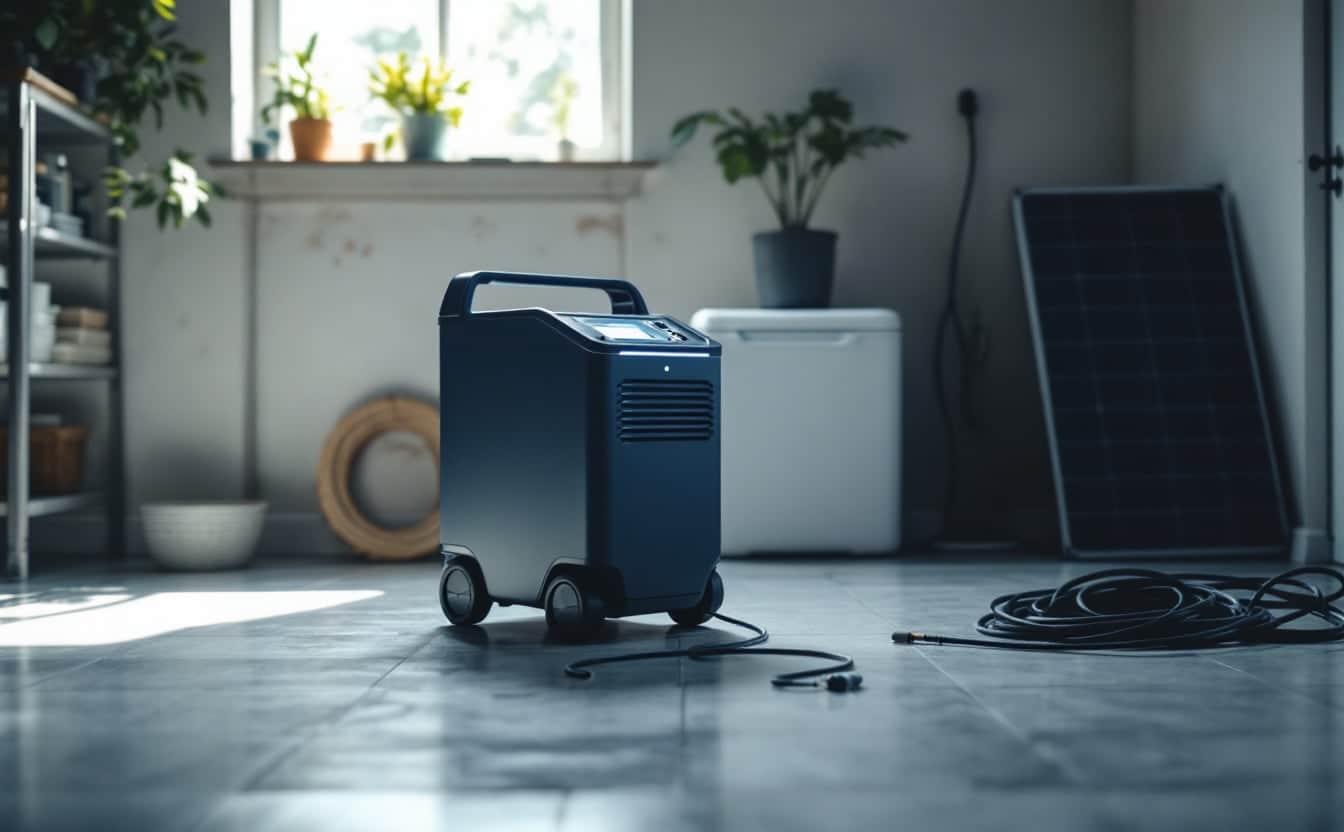
What a 2000W portable power station powers in a long outage: fridge and freezer, well pumps, heater limits, solar recharge, expansion, and when to use a generator.
A furnace that quits on the first cold morning can close an office or chill a home. How to plan heat, backup zones and the first call before winter.
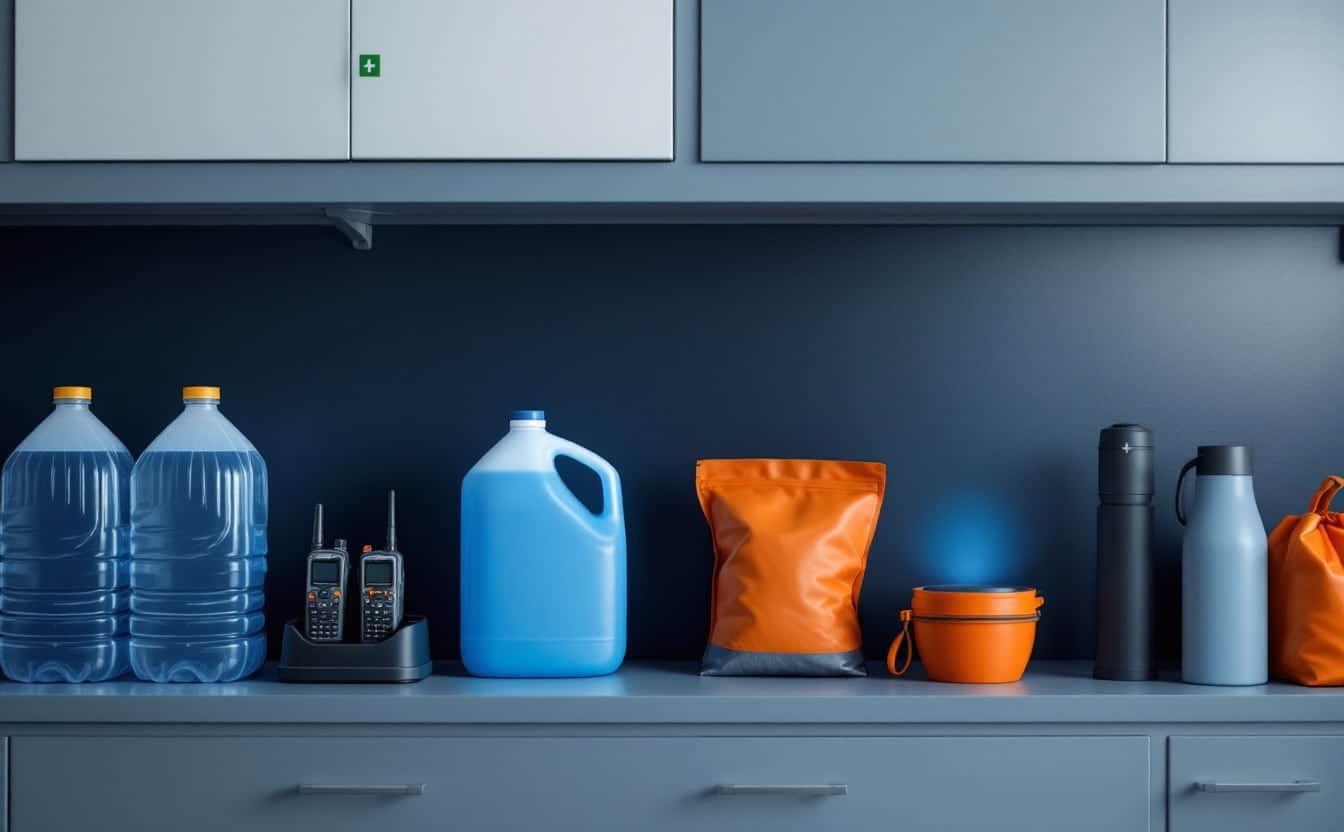
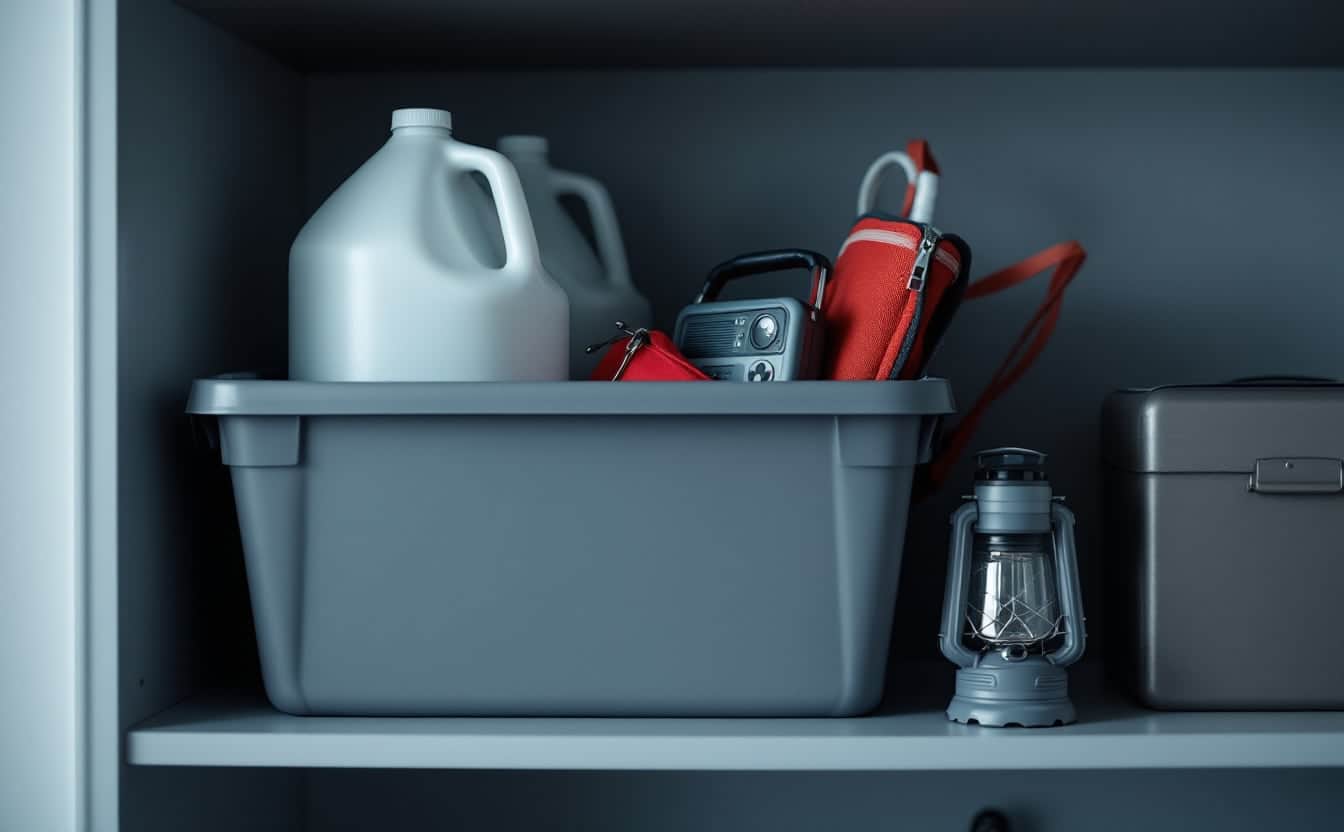
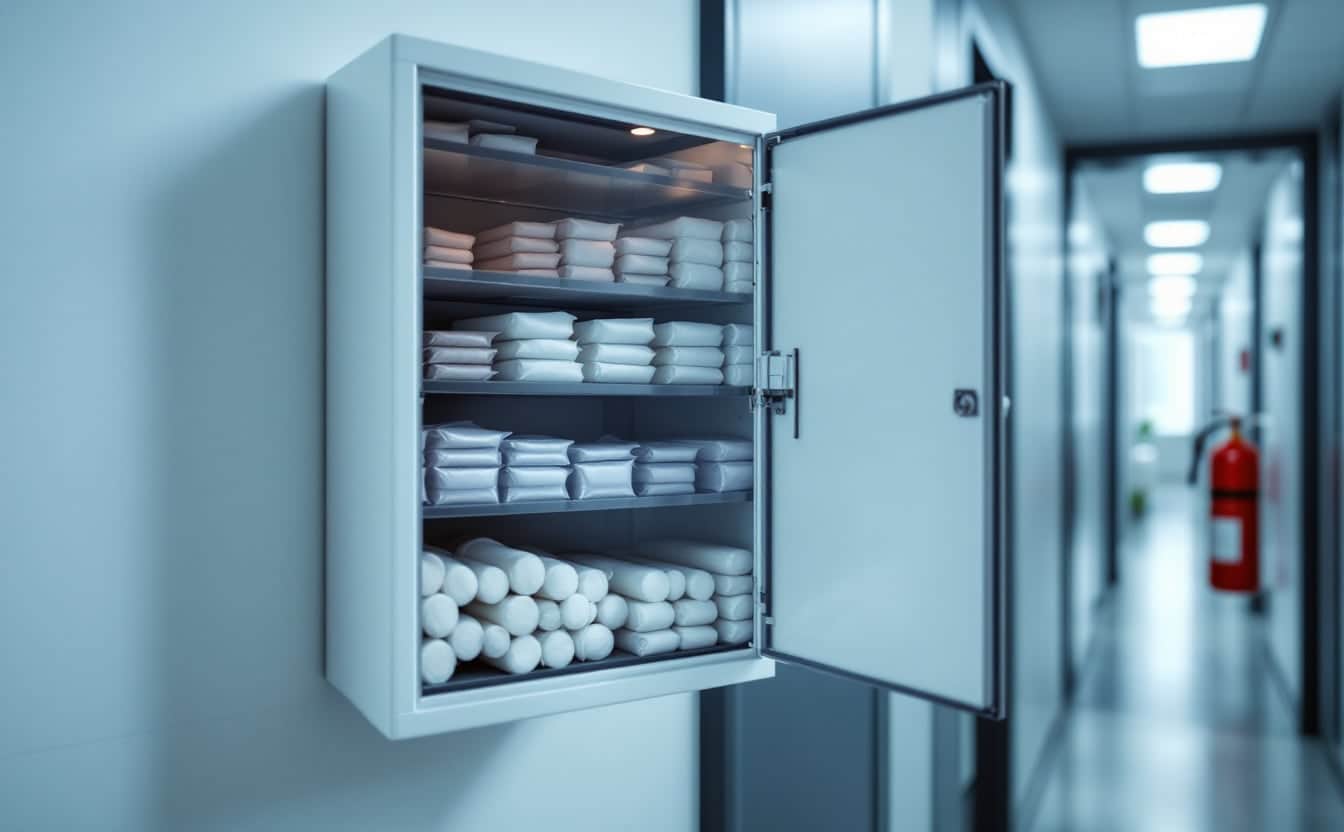
What an office emergency preparedness kit holds and where it lives: warden bags, a reception kit, shelter-in-place stores by headcount, first aid, light and radios.
A clean fire drill can still lose people. How to run evacuation drills that count visitors, contractors, hybrid staff and anyone who needs help getting out.
What goes in an emergency kit for home, built on Ready.gov's list: 10 core items, 10 more for a 20-item kit, and the extras remote workers need to keep working.
Ice, frost heave and leaning walls can close a front door for weeks. How to plan walkways, steps and retaining walls before the ground freezes.
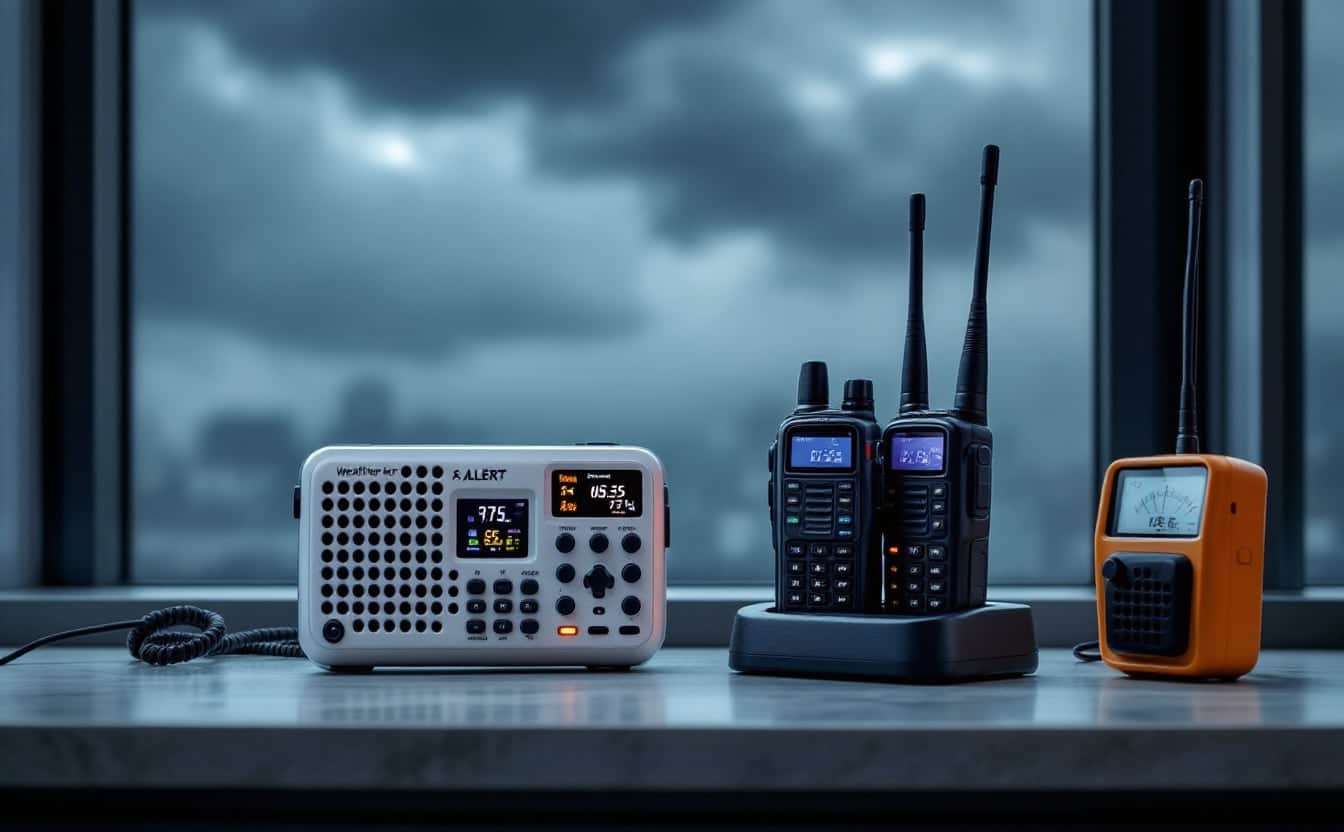
How to pick the best weather radio: NOAA All Hazards reception, SAME county coding, tone alert, battery backup, office placement, plus crank and FRS radios.
OSHA asks for adequate first aid supplies, not a branded kit. What 1910.151 says, ANSI Z308.1-2021 Class A vs B, sizing by headcount and hazard, restocking.
What OSHA 1910.38 requires in an emergency action plan, a fill-in template with prompts for every section, and a worked example for a 40-person office.
Storm rain cracks foundations and breaks driveways long before it closes a business. How to spot the slow signs and shorten the disruption.
Heat hits workers, server rooms and the power grid at once. A continuity playbook with NWS and grid alert triggers, OSHA context and actions at each threshold.
A time-phased hurricane plan for smaller firms: what to settle before June, what to do at 72, 48 and 24 hours out, and how re-entry and flood cover work.
Delivery rates flatter you. What to test in a mass notification system: contact data, channels, carrier filtering, who can send and two-way accountability.